
How I found my way to...
...walking every day through cancer, sepsis and thrombus
This is Clare's story of how she gets out walking every day whilst going through cancer treatment, neutropenic sepsis and thrombus in her arm.
Click here to read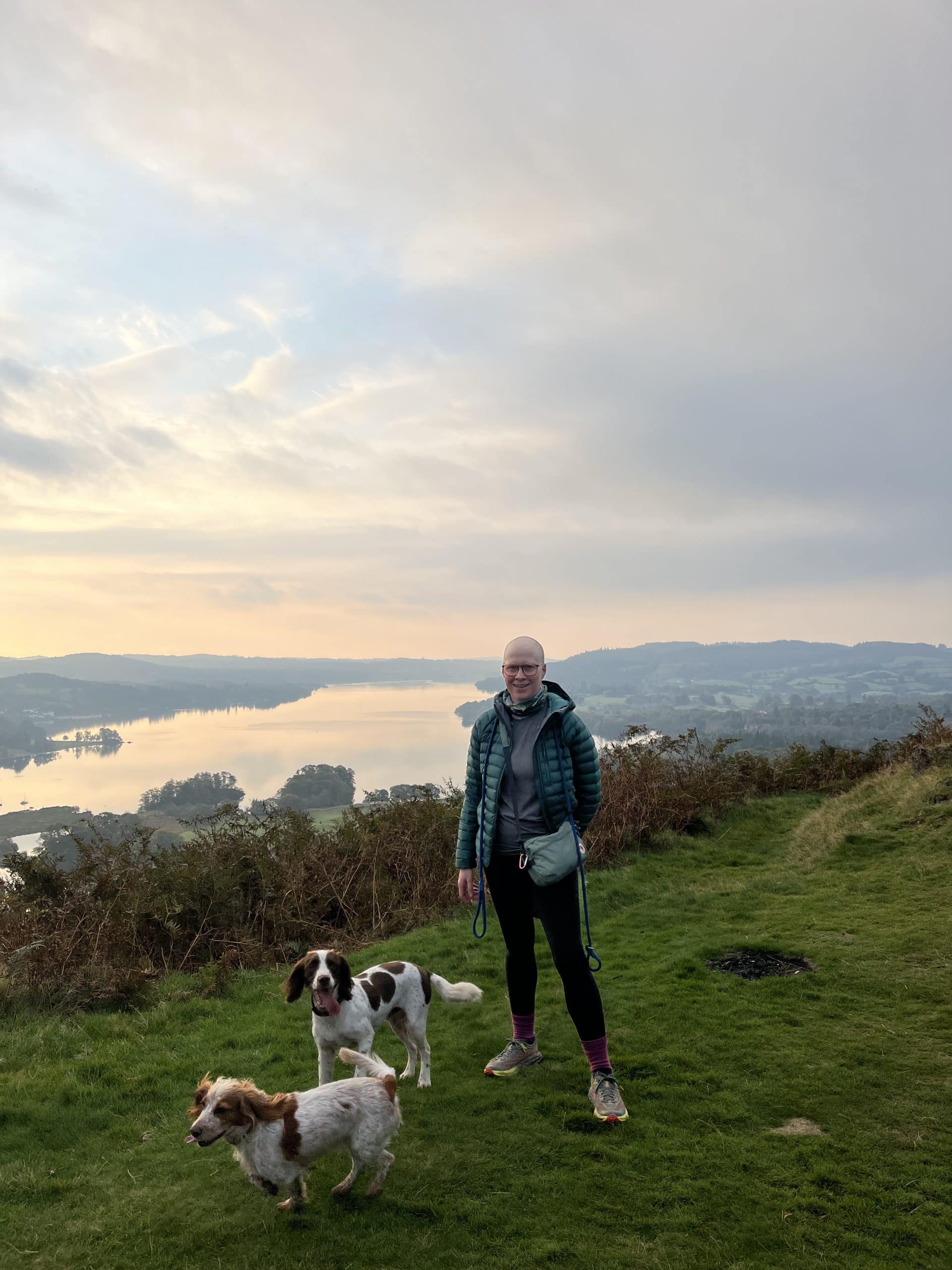
...clocking up the miles everyday
This is Robert’s story of how he manages to run, cycle or hike everyday while living with blood cancer and going through chemo, a brain haemorrhage, a kidney transplant, pneumonia and a fractured vertebra.
Click here to read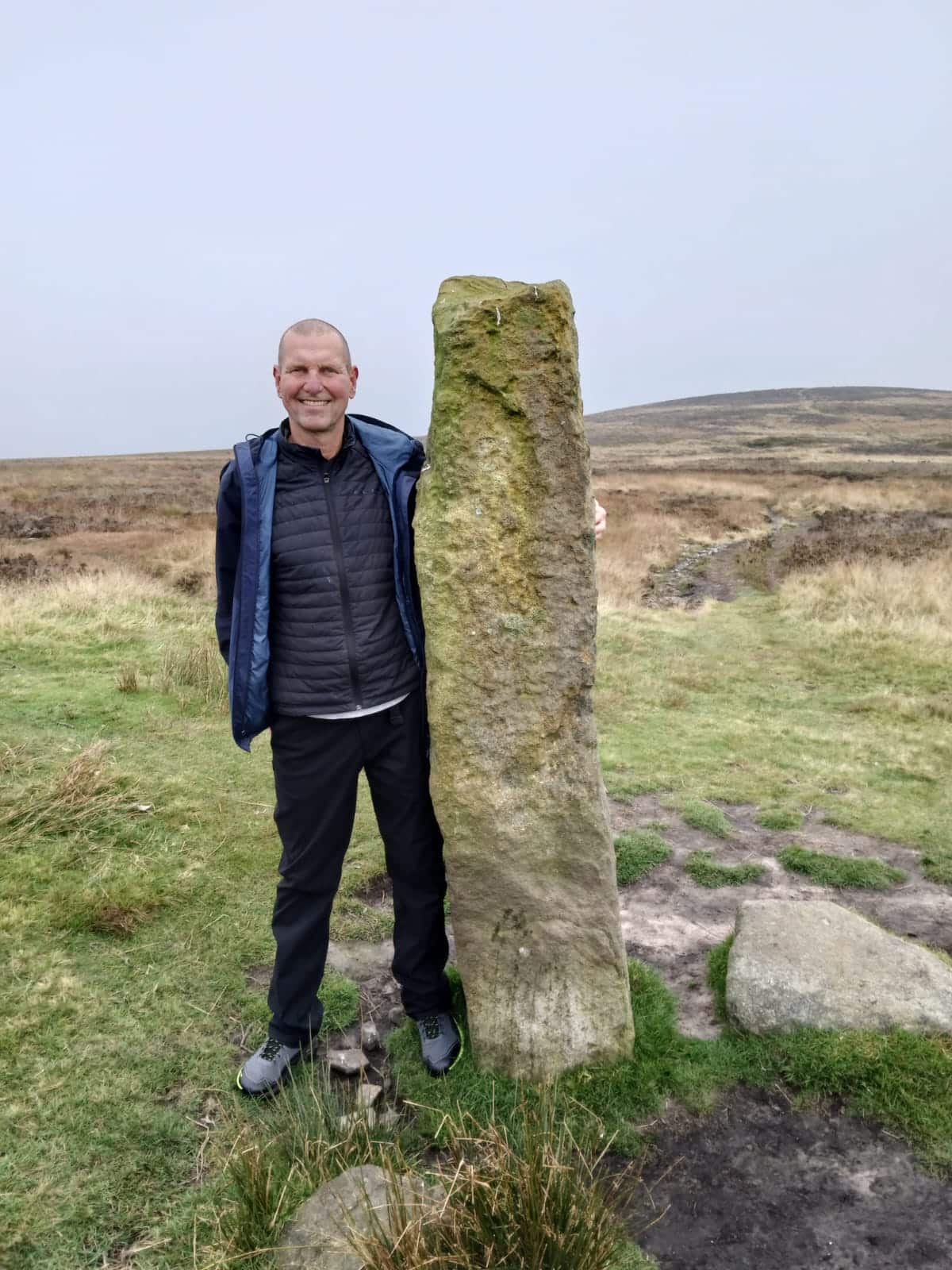
...Driving and Jogging After Chemotherapy-Induced Peripheral Neuropathy
Dr. Debra Willoughby (Debs) is a proud wife, mother of three and a grandmother to eight. An internationally recognised expert in inclusive management and leadership she has over two decades of experience as a UK police officer and was the first woman to ‘walk the beat’ following equality legislation. She worked globally for 30 years with diverse communities to shape legal frameworks, policies and programmes. She now volunteers with Move Against Cancer because in her own words: “the NHS saved my life after my cancer diagnosis, but it was 5K Your Way that saved my sanity and my independence.”
Read Debs' story here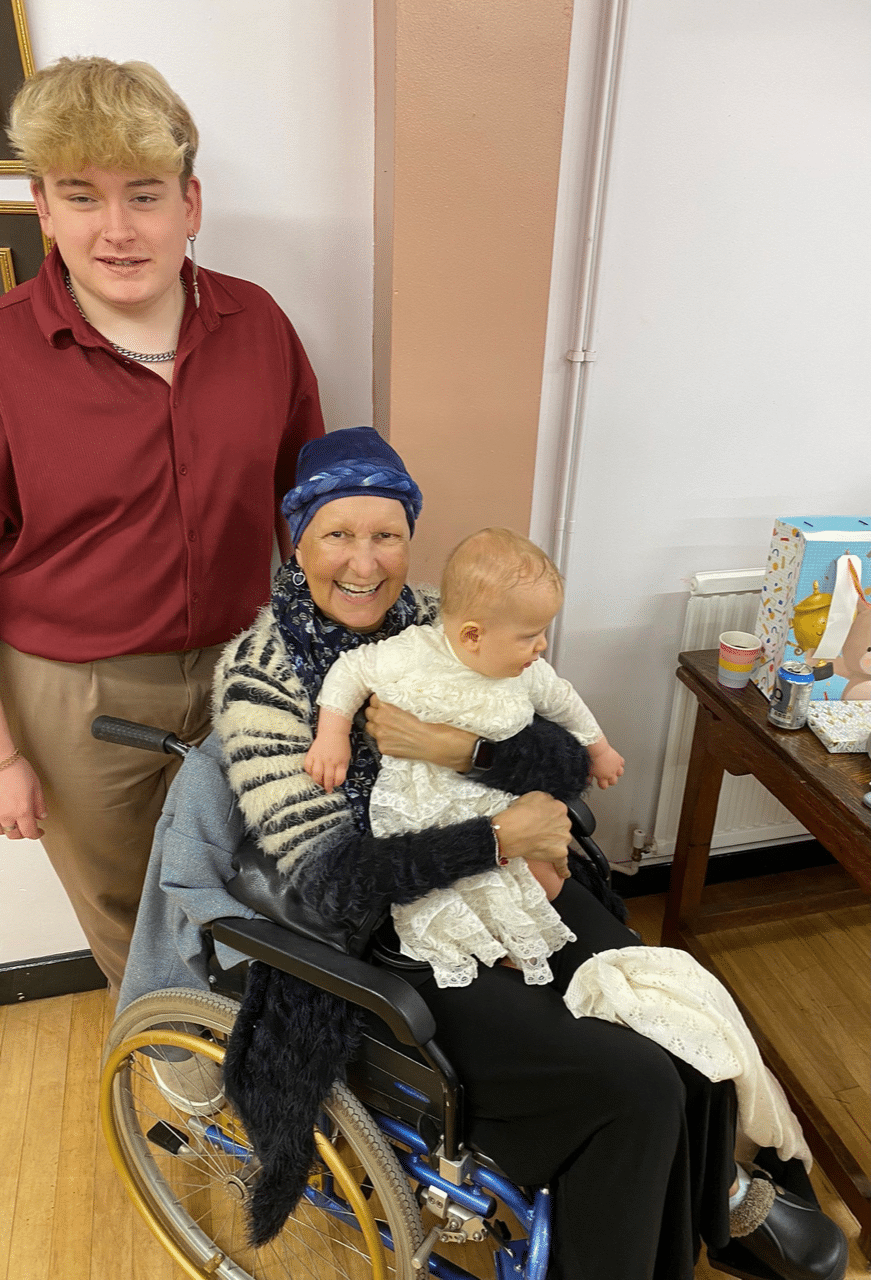
....running ultra-marathons despite cancer and deep vein thrombosis
After receiving a cancer diagnosis in 2023 Laura was determined to keep doing what she loved - running - while she navigated chemotherapy and DVT. Along the way she also found 5k Your Way and in her own words: "That [5k Your Way] poster changed my whole outlook about chemotherapy: here was proof that it was possible to still be me while undergoing treatment. It sounds really corny, but it felt like I’d found my tribe."
Read Laura's story here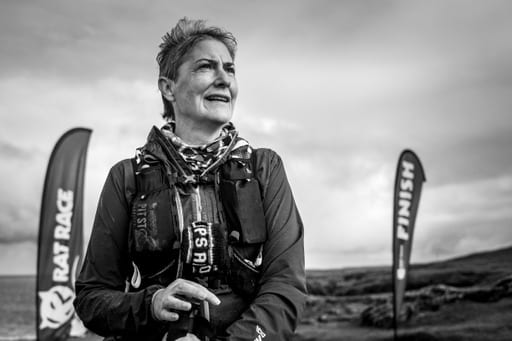
Welcome to ‘How I found my way to…’
Navigating life during and after cancer treatment can be daunting, and traditional medical advice around being active can sometimes feel restrictive. While medical teams focus on treating cancer, they don’t always address the long-term side effects of treatment. It can be challenging to know how to continue or regain the confidence and physical ability to do what matters most to you – during and after treatment.
Whether that’s getting back on the dance floor, running or swimming, driving, picking up your grandchildren, gardening, painting, playing an instrument – everyone has something they love.
Our co-founder, Lucy Gossage, an oncology consultant, has long been inspired by the resourcefulness of individuals who discover their own solutions to challenges that medical professionals might not consider.
So, with ‘How I found my way to’ we invite members of our community to share how they found their way to overcome the challenges of living with and beyond cancer and its treatment, back to the things that matter most to them.
- The stories shared in this section reflect personal experiences and insights from individuals affected by cancer. While these narratives can provide inspiration and support, they are not intended to serve as medical advice or recommendations.
- We encourage all readers to consult with their healthcare professionals before making any changes to their treatment or recovery plans. Each person’s journey is unique, and what works for one individual may not be appropriate for another.
- By sharing these stories, we aim to foster a supportive community, but please remember that your health and well-being should always be guided by qualified medical advice.
We invite you to share your personal journey and insights on how you found your way back to what matters most to you after cancer treatment. See the dropdowns below on guidelines on how to submit your story.
Content
We invite you to share your personal journey and insights on how you found your way back to what matters most to you after cancer treatment. What to include: Your story should focus on your personal experience navigating life during and after cancer treatment. Include specific challenges you faced and how you overcame them. Share any tips, resources, or advice that you found helpful in your journey. See further guidance below
How long should my story be?
Aim for 500-1,000 words. This length allows for a detailed account without overwhelming readers.
What format should I use?
Title your article ‘How I found my way to…..’ Use clear, concise language and a friendly tone. - Organise your story into subtitled paragraphs for easier reading.
Should I include contact information?
If you’re comfortable, please include your social media contact details (Twitter, Instagram, etc.) so that readers can reach out for support or connection.
Can I include photos?
Yes - please include 2-3 photos that you have the copyright and permission from other people in the photo to use.
Medical Disclaimer & Review process
Remember that your story should not serve as medical advice. Please avoid recommending specific treatments or therapies. All submissions will be reviewed for appropriateness and to ensure they align with our community values. We reserve the right to edit for clarity and brevity. Any blogs that inappropriately promote medical treatments or therapies will not be published.
Consent
By submitting your story, you agree to allow us to publish it on our website and associated platforms. You will retain the right to request removal of your story at any time.
How to submit...
Please send your story as a Word document or in the body of an email to info@movecharity.org. Please include a brief bio (2-3 sentences) about yourself. Thank you!! We’re excited to hear your story and look forward to sharing it with our community!