
Why Should I exercise?
Exercise and movement whilst going through cancer treatment and beyond can have a huge number of benefits to your physical and mental wellbeing including:
- increasing your cardiovascular fitness
- preserving your cardiorespiratory and muscular fitness
- reducing cancer related fatigue
- reducing short and long term side effects of cancer treatment
- improving your confidence and improving your mental health
- reducing risk of recurrence
This page links quotes from our community with the scientific evidence of the benefits of exercise.

I firmly believe that exercising in Zone 2 during and after treatment saved my life
Luke Grenfell-Shaw
Cycled from Bristol to Beijing, Move Against Cancer PatronImproving cancer survival
In a major 2025 study of 889 patients with bowel cancer, researchers found that a 3 year, structured, moderate-intensity exercise programme helped people live longer and reduced the chances of their cancer coming back.
- Cancer recurrence dropped by 28%
- Risk of death dropped by 37%
- Overall survival increased from 83.2% to 90.3% over 8 years, meaning 7.1% more lives were saved thanks to exercise.
More detail:
Courneya et al. (2025) landmark CHALLENGE trial of 889 colon cancer patients provided the first definitive evidence that structured moderate-intensity exercise improves cancer survival. The study showed a 28% reduction in cancer recurrence risk (HR 0.72, 95% CI: 0.55-0.94, p=0.02) and 37% reduction in death risk (HR 0.63, 95% CI: 0.43-0.94, p=0.022), with 8-year overall survival improving from 83.2% to 90.3% – representing a 7.1% absolute improvement in lives saved.
Further studies:
Similarly, after reviewing data from over 17,000 people, a 2026 analysis found that participants who did more moderate to vigorous physical activity after their diagnosis had better survival rates. This was especially true for survivors of bladder, endometrial, lung, and ovarian cancers. It also showed that lung and rectal cancer survivors who were inactive before diagnosis but became active afterwards had a lower risk of cancer mortality.
To summarise:
Findings suggest that physical activity may benefit survivors of cancer, even if they were inactive prior to diagnosis.
“Exercise smooths out the jagged edges of my emotions”
Clare
Exercise and mental health
A 2023 review looked at multiple studies and found that exercise really helps with emotional challenges during cancer treatment.
- Less fatigue: People felt noticeably less tired (-0.35 effect size)
- Better quality of life: Overall well-being improved (0.31 effect size)
- More emotional stability: Exercise helped ease mood swings and boost emotional regulation
More detail:
Chen et al. (2023) systematic review and meta-analysis of exercise interventions in cancer patients found significant improvements in emotional regulation, with effect sizes of -0.35 for cancer-related fatigue and 0.31 for quality of life (both p<0.001). Exercise interventions consistently improved mood disturbances and emotional stability.
"Exercise can support both the body and the mind during and after cancer treatment. Moderate-intensity exercise is safe, sustainable and helps mitigate the side effects of cancer treatment while improving quality of life and also improving outcomes. I believe that every person with a cancer diagnosis should be supported and empowered to exercise in a way that works for them. Exercise should become a standard part of the cancer care pathway."
- Dr Lucy Gossage, Consultant Oncologist and Co-founder of Move Against Cancer.
Read Dr Lucy Gossage's Article - 'Exercise and Cancer: What do Healthcare Professionals Need to Know' here
Cardiorespiratory fitness, treatment tolerance and quality of life
A 2018 review of 48 clinical trials showed that cancer patients can safely exercise while receiving treatment—and it helps in important ways.
- Most patients stuck with it: 84% attended regularly
- Very few side effects: Only 44 incidents were reported across all studies
- Big health benefits: Improved heart-lung fitness, better tolerance of treatment, and enhanced overall quality of life
More detail:
Scott et al. (2018) systematic review of 48 randomized controlled trials found exercise during treatment is well-tolerated with mean attendance rates of 84% ± 12% and low adverse event rates (only 44 adverse events reported across all studies), while producing significant improvements in cardiorespiratory fitness, treatment tolerance, and quality of life.
“Every step in my first 5k Your Way hurt. My body was tired, my balance was off, and my confidence was low. But then something amazing happened. Complete strangers – people I’d never met before – walked alongside me, encouraged me, cheered me, my family and friends on. But not one person pushed me to go faster or to keep up. No one judged. They just… supported. Kindly. Quietly. Powerfully”.
“With the MOVE Online programme I started small, doing things like walks or five minutes on the rowing machine. Eventually we worked on a little plan for the gym and in time I got a personal trainer. As well as obviously improving my physical fitness the exercise programme helped my mental health massively.
Now that my fitness has returned, so too has my confidence. I feel fitter than before and I’m motivated to carry on. And as a result I’ve got back my purpose in life”
- Reece
Reece's story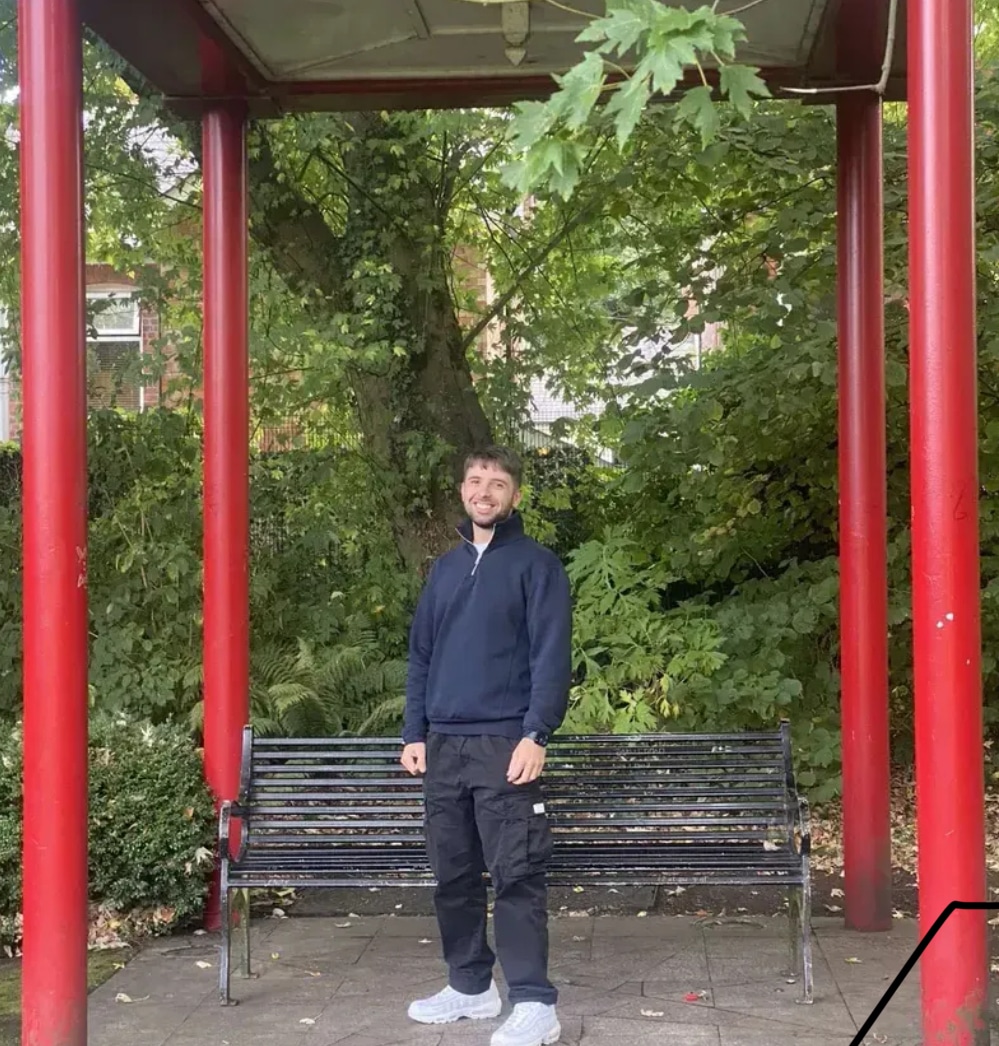
Improvements in quality of life
A 2017 study that looked at individual data from many patients found that exercise—especially in supervised group settings—had powerful benefits:
- Better quality of life and physical function
- Stronger peer support and social bonds
- Higher commitment and better results than exercising alone
Group workouts created a sense of connection that helped people stick with it and feel better, both physically and emotionally.
More detail:
Buffart et al. (2017) individual patient data meta-analysis found that exercise interventions, particularly supervised group-based programmes, produce significant improvements in quality of life and physical function through peer support mechanisms and social connections that enhance adherence and outcomes beyond individual exercise benefits.
Another study from 2025 showed that
Compared to usual care or no exercise, there is moderate to strong evidence to show that exercise can:
- Reduce side effects from cancer and its treatments, like:
- Heart problems
- Nerve damage from chemotherapy
- Memory and cognitive issues
- Breathing difficulties
- Improve body and biology, including:
- Weight and muscle composition
- Blood markers like insulin and inflammation levels
- Boost overall well-being, such as:
-
- Better sleep
- Improved mood and mental health
- Stronger physical function
- More social connection
- Higher quality of life
"Movement offers structure, a renewed sense of control, and hope during a time of uncertainty. It helps rebuild confidence in a body that may feel unfamiliar or unreliable after treatment. With the support of a knowledgeable, empathetic instructor, exercise becomes more than rehabilitation, it becomes a powerful tool to rebuild entire lives."
Anna Louise Powell - Cancer Rehab Specialist

Back at the start I couldn’t walk up the stairs without being breathless but now I go to the gym and I’m so much fitter. Exercise has helped my mental health so much too” - Jason
Improving cardiorespiratory fitness
A major 2018 review of 48 clinical trials with 2,740 cancer patients found that exercise made a real difference—physically and mentally.
- Better fitness: Patients gained enough stamina to go from feeling breathless on stairs to handling gym-level activity (+2.22 mL·kg⁻¹·min⁻¹ improvement)
- Lower depression: Mental health scores improved noticeably (SMD = -0.34
More detail:
Scott et al. (2018) systematic review of 48 randomized controlled trials involving 2,740 cancer patients found exercise significantly improved cardiorespiratory fitness by +2.22 mL·kg⁻¹·min⁻¹ (95% CI: 1.35-3.08, p<0.001) and reduced depression scores (SMD = -0.34, p<0.001). This represents the measurable difference between breathlessness on stairs and gym-level fitness, plus significant mental health improvements.
“For anyone touched by cancer I really believe movement and connection with nature, along with the kindness of community, can make all the difference.”
Jodie
The importance of community
In 2019, experts from around the world agreed that cancer survivors benefit most when they get active and stay connected.
- Exercise helps the body: Boosts strength, energy, and recovery
- Social support matters too: Group workouts and peer encouragement lead to better outcomes
- Best results come from combining both: Moving together helps people stay motivated and feel supported
More detail:
Campbell et al. (2019) consensus statement from international multidisciplinary roundtable found that exercise guidelines for cancer survivors emphasise both individual physical benefits and community-based support systems, with evidence showing enhanced outcomes when movement is combined with social connection and peer support.
“Walking helps to ease and get me through the chemo pain and putting one foot in front of the other is how I have approached treatment. Just one step at a time.”
Beverley
Improved treatment tolerance
A 2023 study found that staying active during chemotherapy made a real difference.
- 94% of patients who exercised received enough chemo to meet treatment goals, compared to 76% in the non-exercise group
- Less pain and fatigue during treatment
In short: exercise helped patients tolerate chemotherapy more effectively and feel better while doing it.
More detail:
Sanft et al. (2023) randomized trial of exercise during breast cancer treatment found that 94% of exercise group patients reached clinically relevant chemotherapy dose intensity thresholds of ≥85% compared to 76% in control groups (p=0.032), demonstrating that exercise significantly improves treatment tolerance. Additionally, the study showed meaningful reductions in treatment-related pain and fatigue.
“At a time in my life where everyone told me to rest and hide from the world while I started dealing with my cancer, 5k Your Way gave me the permission, motivation and drive to keep active.”
Exercise is essential during cancer treatment:
In 2022, top cancer experts released guidelines showing that aerobic and strength exercises are not only safe during cancer treatment—they're highly recommended.
- Backed by strong scientific evidence
- Contradicts old advice to “rest and avoid activity”
- Says exercise should be part of routine cancer care
So instead of lying low during treatment, moving your body can actually help recovery and improve outcomes.
More detail:
Ligibel et al. (2022) ASCO Guidelines provide strong evidence-based recommendations for aerobic and resistance exercise during active cancer treatment, explicitly contradicting outdated "rest and avoid activity" advice. The guidelines state exercise should be part of standard cancer care, not avoided.
Ligibel JA, Bohlke K, May AM, et al. (2022). Exercise, Diet, and Weight Management During Cancer Treatment: ASCO Guideline. Journal of Clinical Oncology, 40(22), 2491-2507
Find your nearest 5k Your Way group here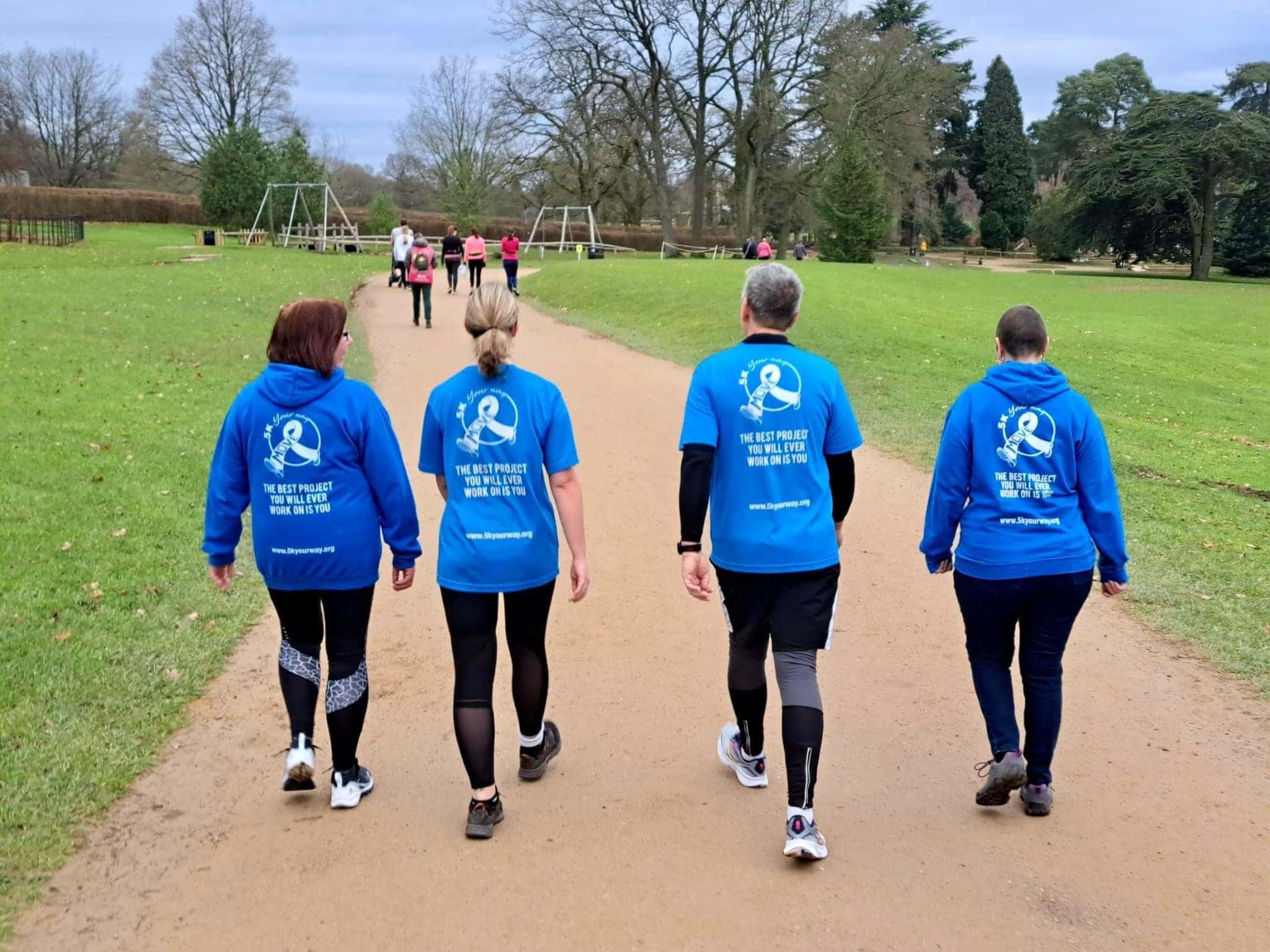
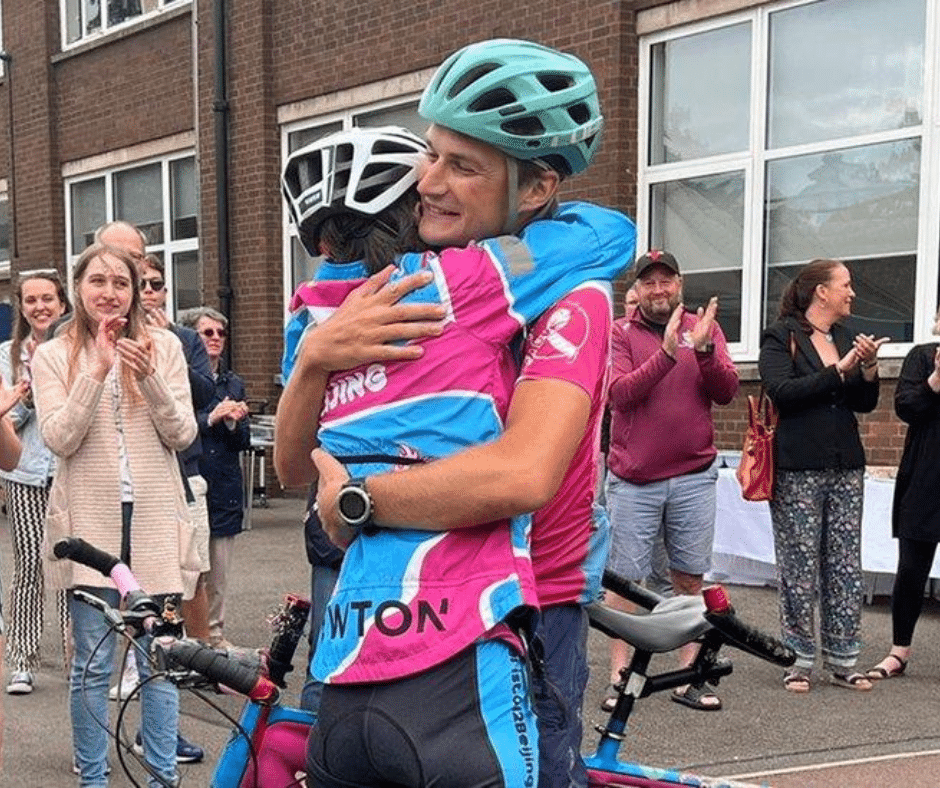
'A Life in Tandem'
“This film is about hope, about finding a way forward when things feel impossible. Even the smallest amount of exercise could make all the difference.” Luke Grenfell-Shaw
Further studies and research about the benefits of exercising with and beyond cancer:
Meixner, B., Filipas, L., Holmberg, H.C. and Sperlich, B., 2025. Zone 2 intensity: A critical comparison of individual variability in different submaximal exercise intensity boundaries. Translational Sports Medicine, [online] 2025, p.2008291. Available at: https://doi.org/10.1155/tsm2/2008291 (Accessed 28 May 2025).
Wilson VL, Smith RA, Ma S, Cutler RG (July 1987). “Genomic 5-methyldeoxycytidine decreases with age”. The Journal of Biological Chemistry. 262 (21): 9948–9951. doi:10.1016/S0021-9258(18)61057-9. PMID 3611071.
Sanft, T., et al., 2023. Randomized trial of exercise and nutrition on chemotherapy completion and pathologic complete response in women with breast cancer: The Lifestyle, Exercise, and Nutrition Early After Diagnosis study. Journal of Clinical Oncology, 41, pp.5285–5295. Available at: https://doi.org/10.1200/JCO.23.00871 (Accessed 28 May 2025).
Courneya, K.S., Segal, R.J., Mackey, J.R., Gelmon, K., Reid, R.D., Friedenreich, C.M., Ladha, A.B., Proulx, C., Vallance, J.K., Lane, K., Yasui, Y. and McKenzie, D.C., 2007. Effects of aerobic and resistance exercise in breast cancer patients receiving adjuvant chemotherapy: a multicenter randomized controlled trial. Journal of Clinical Oncology, 25(28), pp.4396–4404. Available at: https://doi.org/10.1200/JCO.2006.08.2024 (Accessed 28 May 2025).
Cave, J., Paschalis, A., Huang, C.-Y., West, M., Copson, E., Jack, S. and Grocott, M., 2018. A systematic review of the safety and efficacy of aerobic exercise during cytotoxic chemotherapy treatment. Supportive Care in Cancer, 26, pp.1–15. Available at: https://doi.org/10.1007/s00520-018-4295-x
Evans ES, Battaglini CL, Groff DG, Hackney AC. Aerobic exercise intensity in breast cancer patients: a preliminary investigation. Integr Cancer Ther. 2009 Jun;8(2):139-47. doi: 10.1177/1534735409335506. PMID: 19679622.
van Doorslaer de Ten Ryen S, Deldicque L. The Regulation of the Metastatic Cascade by Physical Activity: A Narrative Review. Cancers (Basel). 2020 Jan 8;12(1):153. doi: 10.3390/cancers12010153. PMID: 31936342; PMCID: PMC7017263.
Cancer Research UK (n.d.) Exercise and Cancer. Available at: https://www.cancerresearchuk.org/about-cancer/coping/physically/exercise-guidelines (Accessed: 27 May 2025)
Williams, K., Beeken, R.J., Fisher, A. and Wardle, J. (2015) ‘Health professionals’ provision of lifestyle advice in the oncology context in the United Kingdom’, European Journal of Cancer Care, 24(4), pp. 522–530. https://onlinelibrary.wiley.com/doi/10.1111/ecc.12305
Kennedy, F., Lally, P., Miller, N.E. et al. (2023) ‘Fatigue, quality of life and associations with adherence to the World Cancer Research Fund guidelines for health behaviours in 5835 adults living with and beyond breast, prostate and colorectal cancer in England: a cross-sectional study’, Cancer Medicine, 12(11), pp. 12705–12716. https://pubmed.ncbi.nlm.nih.gov/37021752/